Pathway · Food industry
From assessment to a verifiable programme
A pathway for food safety and quality leaders and manufacturing teams who need to assess risks, strengthen controls and demonstrate continual improvement in their allergen-management programme.
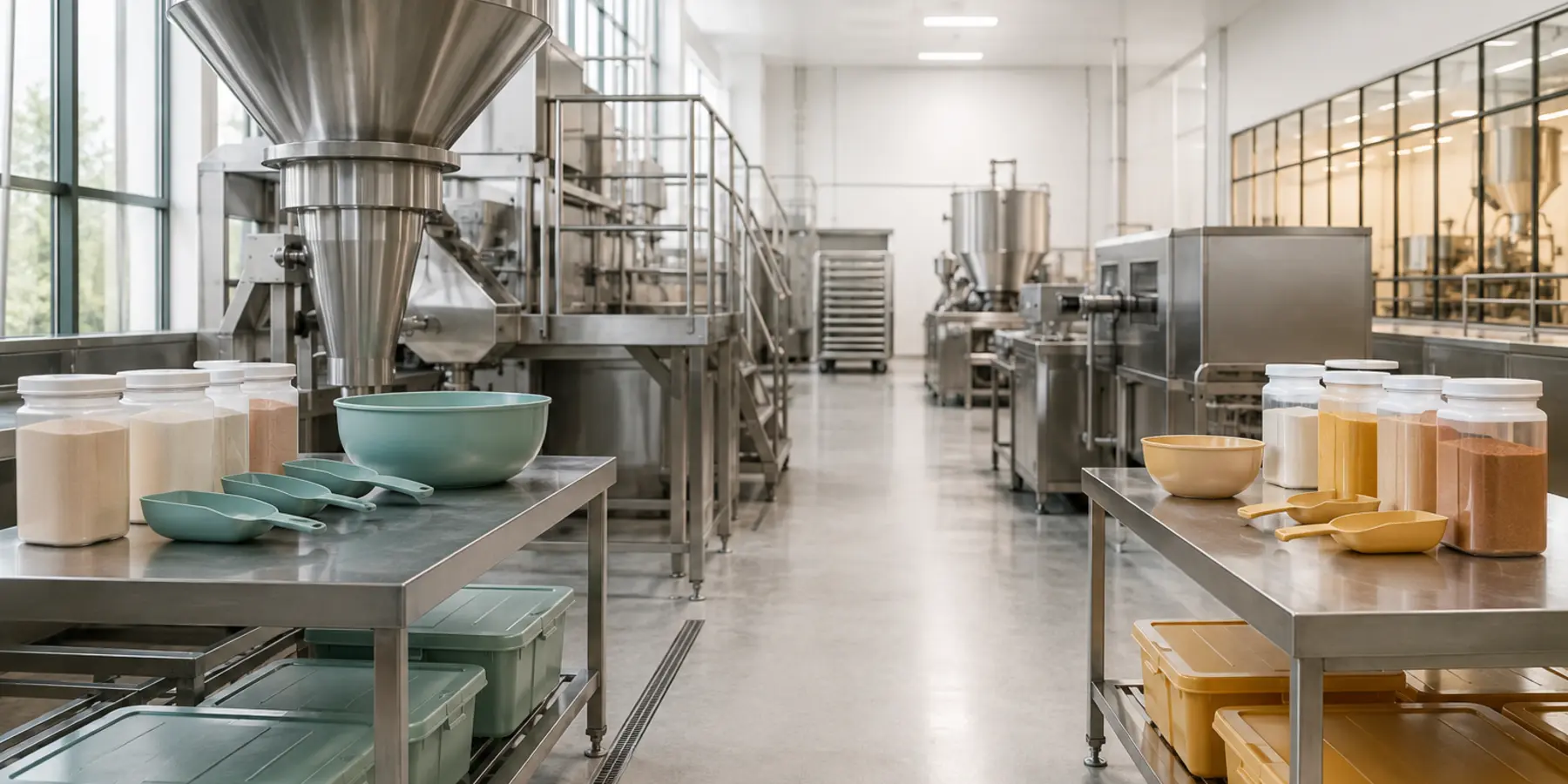
Three operational pillars
The programme is supported by connected controls
The pathway
Four stages to turn assessment into improvement
Step 1 · Understand
Academy training
Build the concepts and criteria needed to interpret risks and organise a management programme.
Step 2 · Assess
Industry self-assessment
Get an indicative programme assessment, a performance index and recommendations for prioritising actions.
Steps 3 and 4 · Implement and verify
Comprehensive guide
Use the guide to implement controls, document evidence, audit the system and sustain improvement.
How to use this pathway
- Complete the training or review the content you need to reinforce.
- Complete the self-assessment and record the priorities identified.
- Use the guide to turn gaps into controls, responsibilities and evidence.
- Verify implementation, review results and repeat the assessment periodically.
This pathway provides technical and educational guidance. It does not replace applicable legal requirements, a specific risk assessment, laboratory analysis or professional auditing.